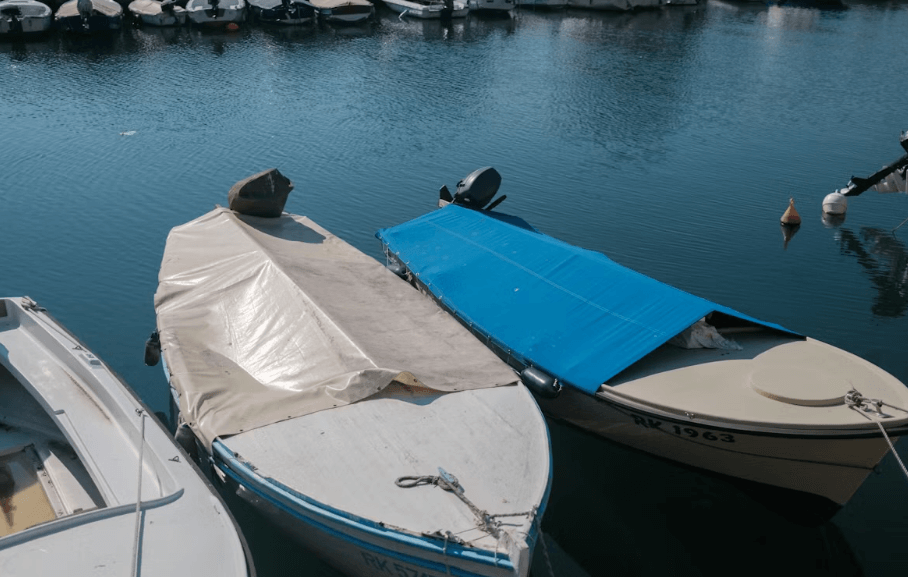
Ultimate Guide To Choosing The Right Covers For Your Watercraft
Choosing the right cover for your watercraft is essential to protect it from the elements, prevent damage, and extend its lifespan. Whether you own a personal watercraft (PWC), jet boat, pontoon, or paddleboard, the right cover can save you time, money, and maintenance headaches. Covers come in different materials, styles, and levels of protection, so understanding what to look for makes all the difference.
Below are key factors to consider when selecting the best cover for your watercraft.
1. Understand Your Storage Environment
Before choosing a cover, evaluate where your watercraft will be stored. Indoor storage requires lighter, breathable materials that protect against dust and minor scratches.
Outdoor storage demands heavy-duty, waterproof covers that guard against UV rays, rain, snow, debris, and animals. Knowing your storage environment helps narrow your options and ensures you choose a cover that matches your protection needs.
2. Choose the Right Material for Protection
Watercraft covers come in a variety of materials, including polyester, canvas, and marine-grade fabrics. Polyester is lightweight and water-resistant, making it suitable for mild outdoor conditions. Canvas offers durability and breathability, often preferred for indoor or covered storage.
Marine-grade materials provide the highest level of protection against water, sun, and wear, ideal for long-term outdoor exposure. Selecting the right material ensures your cover performs reliably in your specific conditions.
See aslo: Modern Pool Design Trends for Residential Backyards
3. Consider Sea Doo PWC Covers for Perfect Fit and Performance
If you own a Sea-Doo personal watercraft, choosing sea doo PWC covers is an excellent decision. These covers are specifically designed to match the contours and dimensions of Sea-Doo models, offering a snug fit that prevents wind flapping and reduces wear.
Engineered with durable, weather-resistant fabrics, Sea-Doo covers protect against UV damage, rain, dirt, and moisture. A custom fit not only enhances protection but also makes installation and removal easier, saving you time and effort.
4. Evaluate Fit and Installation Ease
A cover should fit securely and stay in place, even in windy conditions. Look for covers with adjustable straps, elastic hems, and reinforced corners to ensure a tight fit. Too loose and the cover may flap and cause abrasion; too tight and it may strain seams and fabric.
Easy installation and removal are also important, especially if you’ll be covering and uncovering frequently. A well-fitted cover ensures better protection and a more streamlined user experience.
5. Prioritize Breathability and Moisture Control
While waterproof protection is essential, your cover should also allow moisture and condensation to escape. Trapped moisture can lead to mold, mildew, and corrosion—all harmful to your watercraft.
Breathable cover materials prevent condensation buildup while still blocking water ingress. Ventilation panels or mesh inserts are added features that enhance airflow without compromising protection.
Conclusion
Choosing the right cover for your watercraft is more than selecting a piece of fabric—it’s about safeguarding your investment and ensuring long-term performance. By understanding your storage needs, selecting appropriate materials, choosing brand-specific options, ensuring proper fit, prioritizing breathability, and considering durability, you can choose a cover that offers maximum protection and peace of mind. A well-chosen cover helps keep your watercraft in excellent condition and ready for action whenever you are.