Everyday Dental Habits for a Healthier Smile
Key Takeaways
- Daily oral hygiene routines play a crucial role in preventing dental issues.
- Healthy dietary and lifestyle choices support strong teeth and gums.
- Routine professional dental visits are essential for maintaining a vibrant smile.
Table of Contents
- Brushing Techniques
- Importance of Flossing
- Dietary Choices
- Hydration and Oral Health
- Avoiding Harmful Habits
- Regular Dental Visits
- Teeth Whitening Considerations
- Conclusion
Maintaining a radiant smile is not merely about aesthetics; it is vital to your overall health. Good oral hygiene affects more than just your teeth and gums; it has a direct impact on your well-being. By adopting simple daily practices, such as those recommended by Norfolk General Dentistry, you can significantly reduce the risk of dental problems and improve your oral and overall health.
Consistent care for your teeth and gums helps prevent potential complications down the road. You can shield yourself from chronic issues such as cavities, gum disease, and bad breath, while also supporting your body’s broader health. Practicing regular dental routines empowers you to take control of your oral well-being. Modern research has demonstrated the link between oral health and systemic conditions such as heart disease and diabetes. Emphasizing prevention through basic habits means you are protecting more than just your teeth. A proactive approach leads to long-term rewards. For those eager to protect their smile and overall health, embracing a daily oral care routine is a simple yet effective strategy. From brushing and flossing to mindful eating and regular check-ups, each habit plays an important role in your dental wellness.
Brushing Techniques
Proper brushing is the bedrock of oral hygiene. Use a soft-bristled toothbrush and fluoride toothpaste. Gently brush all tooth surfaces, including the front, back, and chewing surfaces. Aim to brush for 2 minutes, twice a day. Replace your toothbrush every three to four months to avoid frayed bristles that can miss plaque or damage gum tissue.
Importance of Flossing
While brushing eliminates much of the plaque from tooth surfaces, flossing is essential to reach the areas between your teeth and beneath the gumline. These spots are highly susceptible to plaque buildup and can harbor bacteria, leading to inflammation and decay. Daily flossing should be as routine as brushing. You can choose between traditional floss, dental picks, or water flossers to fit your preference and needs.
Dietary Choices
What you eat and drink directly affects your oral health. Sugary snacks and beverages fuel the bacteria that produce acids and erode enamel, leading to cavities. Instead, choose a diet rich in calcium, vitamin D, and phosphorus. Foods such as low-fat dairy, nuts, green leafy vegetables, and crunchy produce like apples and carrots help protect your teeth and stimulate saliva flow, which naturally cleanses the mouth.
Hydration and Oral Health
Keeping your mouth moist by drinking water throughout the day rinses away lingering food particles and bacteria. Water encourages steady saliva production, which serves as a natural defense against cavities and gum disease by maintaining the right pH balance and neutralizing acids produced by bacteria. Frequent hydration, especially after eating, can significantly reduce your risk of tooth decay.
Avoiding Harmful Habits
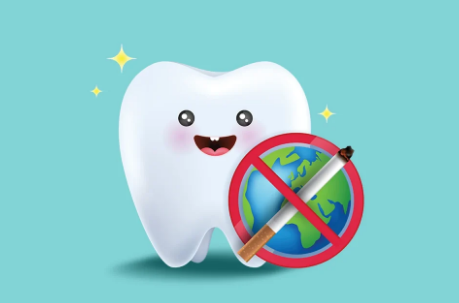
Some everyday behaviors may inadvertently cause harm to your dental health. Avoid biting your nails, using your teeth to open packaging, or chewing ice and hard candies. These actions can chip, fracture, or wear down your teeth. If you suffer from bruxism (teeth grinding), a custom night guard can help prevent premature wear and sensitivity. Smoking and excessive alcohol use should also be avoided, as they increase your risk for gum disease and oral cancer.
Regular Dental Visits
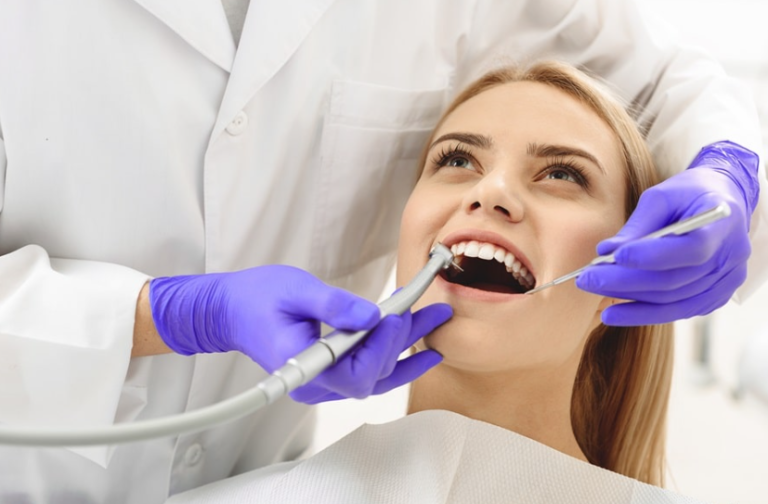
No matter how effective your at-home care, visiting a dentist twice a year for check-ups and cleanings is crucial. These appointments allow dental professionals to remove tartar that brushing and flossing cannot resolve. They also offer early detection of cavities, gum disease, and oral cancer while guiding you in improving your daily routine. Routine visits form the backbone of preventive care and help ensure that any problems are caught early when they are most treatable.
Teeth Whitening Considerations
If you are considering teeth whitening, it is important to recognize that results vary and maintenance is required. Whitening agents target surface and deep stains but do not prevent further discoloration. To prolong results, maintain diligent oral hygiene, avoid staining foods and beverages, and consult your dentist about the safest whitening options.
Conclusion
Building these everyday dental habits leads to a healthier, more confident smile and also boosts your overall health. By focusing on consistent oral hygiene, smart dietary choices, and routine professional care, you are investing in both your dental and general well-being. Start integrating these practices into your daily life for long-term benefits and a smile that shines even brighter.