Benefits of Conservative Care Approaches for Joint Pain Relief
Key Takeaways:
- Conservative treatments can effectively manage joint pain and improve function without surgery.
- Approaches include physical therapy, lifestyle modifications, medications, and alternative therapies.
- Evidence supports the efficacy of these methods in reducing pain and enhancing quality of life.
Understanding Conservative Care for Joint Pain
For millions of people coping with joint pain, non-surgical solutions provide effective options for managing symptoms and enhancing long-term joint health. Conservative care covers a broad range of treatments focused on pain relief and function improvement, typically without invasive procedures. Seeking a multidisciplinary approach can offer the best outcomes, especially when working closely with healthcare teams like those at the Center of Functional Medicine, who specialize in addressing the root causes of joint discomfort.
Conservative care is the first option for conditions like osteoarthritis and other musculoskeletal disorders. It focuses on reducing inflammation, restoring joint mobility, and maintaining active lifestyles, potentially delaying surgery. This personalized approach provides accessible pain management. Research shows conservative therapies can ease pain, improve quality of life, and slow joint disease progression. Working with healthcare professionals ensures tailored care. Early intervention helps preserve joint health, prevent damage, and lessen daily life impact. These strategies have fewer risks than surgery, suitable for most patients regardless of age or health.
Physical Therapy and Exercise
Movement is essential for joint health, and physical therapy is recommended to strengthen muscles, improve stability, and reduce pain. A therapist creates personalized, low-impact exercises like swimming, water aerobics, or cycling. The Mayo Clinic states that regular, gentle activity reduces stiffness and boosts energy and mood, supporting overall well-being. Exercise doesn’t need to be strenuous; stretching, yoga, or tai chi can improve flexibility, alleviate pain, and promote relaxation. Consistent, tailored routines lead to better mobility and less discomfort over time.
Weight Management
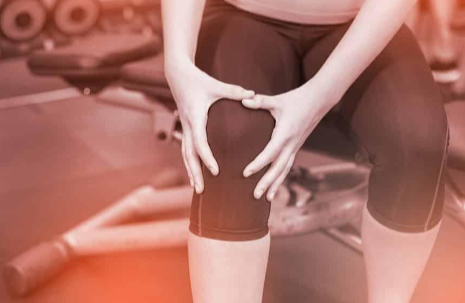
Carrying excess body weight puts additional stress on weight-bearing joints, particularly knees, hips, and ankles. Even small weight loss can significantly reduce joint pain and the risk of additional injury. Scientific reviews have shown that those who achieve weight loss through dietary changes and increased activity report lower pain levels and improved function, emphasizing the importance of holistic lifestyle habits.
Medications and Topical Treatments
Over-the-counter medications such as nonsteroidal anti-inflammatory drugs (NSAIDs) can offer effective short-term relief for joint discomfort. Topical creams and gels, such as capsaicin or menthol products, provide localized pain relief with less risk of systemic side effects. However, it is important to use all medications under a doctor’s care to prevent potential complications, particularly in individuals with underlying health issues or those using other medications.
Alternative Therapies
Complementary methods are gaining popularity for the management of joint pain. Yoga and tai chi, with their focus on gentle stretching, controlled movements, and deep breathing, are beneficial for reducing pain, improving flexibility, and lowering stress. Mindfulness techniques and meditation can also help manage the emotional burden that often accompanies chronic pain. According to Johns Hopkins Medicine, these alternative approaches can enhance traditional care and empower patients to take a more active role in healing.
Assistive Devices
For many people, daily activities become challenging when joint pain flares. Assistive devices such as braces, orthotic shoe inserts, or walking canes can help redistribute weight away from sore joints, ease pressure, and minimize pain. These devices also promote independence and mobility, allowing individuals to participate more fully in work, recreation, and household tasks.
Patient Education and Lifestyle Modifications
Empowering patients with education about their condition is an essential element of conservative care. When patients understand how their habits, posture, and daily routines affect joint health, they are more likely to make positive changes. Simple adjustments, like using proper body mechanics when lifting or working and quitting smoking, contribute significantly to pain reduction and healing. Setting clear, measurable goals and tracking progress further increase the chances of success, fostering lasting improvements in joint function.
Conclusion
Conservative care approaches are a comprehensive and effective strategy for managing joint pain in people of all ages and backgrounds. By integrating physical therapy, weight management, medications, alternative therapies, assistive devices, and patient education, individuals can often achieve significant relief and improved quality of life—without the risks and downtime associated with surgery. These time-tested, evidence-based methods continue to serve as the foundation of joint pain management, helping countless people stay active and healthy well into the future.