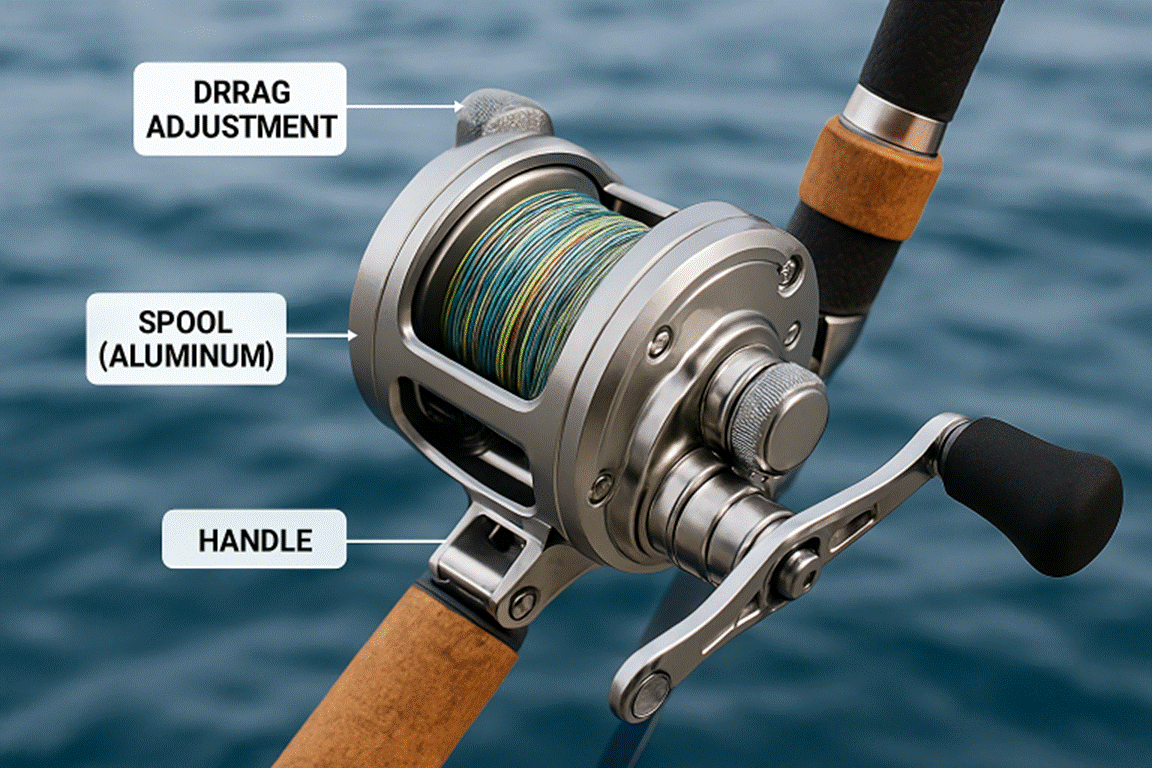
Mastering the Tides: Insider Tips for Saltwater Fishing Reels
Embarking on a saltwater fishing adventure requires a skillful approach and a careful selection of equipment. Among the most important pieces of gear is your fishing reel. Opting for the right saltwater fishing reels can make all the difference in performance, reliability, and durability amid challenging marine conditions. Anglers who prioritize quality equipment are rewarded with more successful outings and less time spent on repairs or replacements.
Saltwater environments are notoriously harsh, so understanding what sets a good saltwater reel apart is crucial for long-term enjoyment and success. Whether you’re a novice or seasoned angler, knowing the essentials—from corrosion resistance to proper reel maintenance—ensures you get the most out of every cast. High-quality reels are specifically designed to resist damage, deliver smooth operation, and meet the unique demands of big game fish commonly encountered offshore.
Many fishing enthusiasts overlook the nuanced features that distinguish reels ideal for the ocean, such as smooth drag systems and appropriate gear ratios. Selecting the right reel doesn’t just depend on budget or preference, but a careful evaluation of the features best suited to your target species, techniques, and environment. Beginners and pros alike should pay attention to manufacturer innovations, as modern reels increasingly feature advanced technology and materials for superior performance.
Durability and Corrosion Resistance
Saltwater’s corrosive nature is a well-known adversary of fishing gear, causing standard materials to degrade quickly if not properly protected. To combat this, reputable manufacturers design saltwater reels using materials such as anodized aluminum and stainless steel, both known for their enhanced resistance to rust and corrosion. Many saltwater reels also feature sealed bearings and specialized protective coatings to shield sensitive internal components from saltwater and moisture.
Even the sturdiest saltwater reels benefit from a good rinse with fresh water following every fishing trip. Without regular care, salt residue can accelerate wear and reduce the performance of expensive gear. This proactive approach extends the useful life of your investment, ensuring your reels remain reliable over many seasons.
Smooth Drag System
A high-quality drag system is essential for handling the explosive runs characteristic of many saltwater species. Friction generated during a fish’s run can lead to snapped lines and lost catches if the drag does not perform smoothly and consistently. According to Florida Sportsman, understanding the different types of reels and their drag systems is crucial for maximizing performance and longevity. A multi-disc drag system delivers superior performance by distributing pressure more evenly, which helps prevent line breakage while offering anglers more control during high-stress moments. Smooth drag systems not only benefit pros pursuing trophy fish but also bolster the success rate for casual angling outings.
See also: How Above Ground Pools Are Redefining Backyard Leisure
Appropriate Gear Ratio
The reel’s gear ratio, or the number of times the spool turns with each turn of the handle, plays a central role in your success. Higher gear ratios (such as 6:1) retrieve line rapidly, making them well-suited for chasing fast-moving fish that require quick line pickup. On the other hand, lower gear ratios deliver increased torque—an advantage when wrestling powerful, deep-diving fish where brute force is needed over speed. When selecting a reel, always consider your target species and preferred fishing techniques to strike the right balance between speed and power.
Line Capacity Considerations
Saltwater fishing often puts anglers up against species known for long, powerful runs. For this reason, ensure your reel has sufficient line capacity. Offshore adventures, in particular, call for reels that can hold considerable lengths of heavier line, as running out mid-fight can mean losing both your catch and your gear. Assess your chosen fishing style and local conditions: inshore anglers targeting smaller fish might get by with less, while those heading offshore for tuna or marlin will require maximum line capacity and strength.
Regular Maintenance Practices
Routine maintenance is the cornerstone of a long-lasting saltwater reel. Start by rinsing your reel with fresh water after each trip, and periodically carry out a more thorough cleaning—disassembling and lubricating internal parts as necessary. Using lubricants specifically formulated for reels is recommended, as they offer optimal protection against both corrosion and friction. Beyond prolonging equipment life, ongoing maintenance ensures smoother operation and prevents costly breakdowns.
Matching Reel to Rod
Optimal performance depends not only on the quality of the individual gear but also on how well your reel and rod complement each other. Consider rod power, action, and length in relation to the reel’s weight and size. Balance is essential: a mismatched setup can make casting awkward, reduce sensitivity, and diminish the overall fishing experience. A properly paired combo promotes casting accuracy, efficient energy transfer, and improved handling, especially when battling large or unpredictable fish.
Staying Informed on Technological Advances
Fishermen willing to embrace the latest innovations are often rewarded with an edge over their peers. Today’s reels may feature enhanced drag mechanisms, lightweight materials, or advanced digital features that track depth, retrieve rate, and more. Staying updated about these developments means anglers can make smarter upgrades and maintain competitive performance regardless of changing marine challenges. Trusted resources, angler forums, and major fishing publications are excellent for keeping tabs on what’s new and assessing whether these advancements suit your fishing style.
Conclusion
Choosing an ideal saltwater fishing reel is a multifaceted decision that involves material strength, ergonomic design, advanced features, and consistent care. By emphasizing durability, a smooth drag system, appropriate gear ratios, and regular upkeep, anglers maximize their gear’s lifespan and enjoy greater success at sea. As the world of saltwater fishing evolves, well-informed and well-equipped anglers are primed to take full advantage of every opportunity the ocean presents.