Recognizing the Need for Concrete Repair or Replacement: A Complete Guide
Understanding Concrete Deterioration
Concrete is appreciated for its strength and durability, but it is not indestructible. It serves as the foundation for driveways, patios, sidewalks, and commercial surfaces, yet its lifespan diminishes over time. Factors such as rain, freeze-thaw cycles, salts, and heavy use from vehicles or pedestrians accelerate deterioration. Soil movement can also cause slabs to shift gradually. Property managers need to identify early warning signs to prevent safety hazards and avoid costly repairs. In high-traffic areas, such as driveways and sidewalks, regular inspections are essential. Ignoring developing issues can lead to worsened damage, higher repair costs, or complete slab replacement—expenses that early detection can help avoid. Homeowners and commercial managers should be vigilant for problems at the first sign of damage. Consulting professionals from K&E Flatwork ensure cost-effective, durable repairs are made immediately. Quick evaluation helps prevent minor issues from escalating into costly repairs, with specialists tailoring repairs to the specific severity and cause.
Key Signs You Need Repair or Replacement
Cracks in concrete often signal serious issues, as they can allow water to enter and exacerbate the damage. Widening or branching cracks may indicate foundational shifts or poor subgrade, making repair less effective than replacement. Spiderweb cracking, an early sign of brittle concrete, can develop into more severe structural risks if ignored. Uneven or sunken slabs create trip hazards and indicate underlying issues such as soil erosion, poor drainage, or inadequate ground preparation. Pooling water indicates a loss of grading and can lead to further erosion and instability. Standing water can seep beneath the slab, eroding the sub-base and speeding up failure. Discoloration and stains can indicate chemical reactions, water infiltration, or moisture issues that occur deep within the material. Flaking or scaling, the gradual chipping of the surface, often results from freeze-thaw cycles or improper curing. These surface defects are unsightly and may weaken the slab’s structural integrity.
See also: Sell Auto Parts and Accessories: Complete Guide to Growing Your Online Business
Age’s Role in Concrete Longevity
Most concrete structures last 15-20 years with proper maintenance. After this period, minor repairs become less effective because cracks, shifting, and surface scaling tend to worsen due to weathering and movement. Natural aging and exposure to weather conditions weaken surfaces, mainly due to winter salt, which increases water absorption and deterioration. Regular inspections are essential for older buildings; delaying replacement can lead to structural failure. Signs such as dust or efflorescence should not be overlooked. Frequent patching, new cracks, or stains indicate aging and the need for a professional assessment to ensure safety.
Consulting Professionals for Concrete Solutions
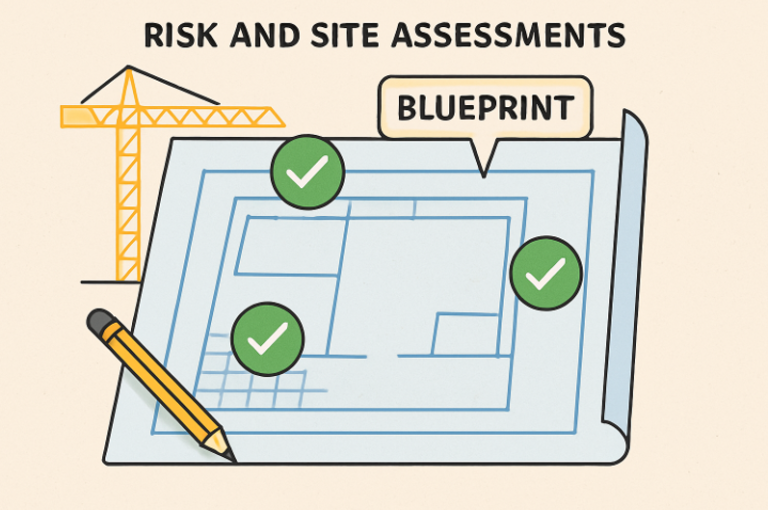
If warning signs appear, consulting an expert is essential for deciding whether to repair or replace. Professionals utilize instruments such as infrared cameras, ground-penetrating radar, and moisture meters to evaluate slab thickness, subgrade stability, and moisture intrusion—not solely surface visual cues. Conducting a detailed inspection can save costs, provide peace of mind, and help you choose optimal materials and methods tailored to your climate and site conditions. Their expertise guarantees the protection of your investment and the restoration of safety, whether it involves crack repairs, resurfacing, or slab replacement.
Maintaining Your Concrete Surfaces
Routine concrete maintenance helps prolong surface longevity by regularly cleaning, sealing cracks, and ensuring adequate drainage, which prevents issues from worsening. Clearing dirt, leaves, and salts minimizes stains and scaling. Applying sealants and resurfacing at recommended intervals shields against moisture and chemical damage, the primary causes of deterioration. Homeowners and property managers should inspect slabs annually, especially after harsh weather conditions such as freeze-thaw cycles, flooding, or drought, which can impact soil stability. When in doubt about potential damage, consulting a concrete professional can help identify necessary repairs and estimate the costs, thereby saving time and money.
Conclusion
Knowing when your concrete requires repair or replacement can be challenging, but spotting early signs provides reassurance. Look out for cracks, settlement, water damage, discoloration, and aging to safeguard your investment and safety. Consult professionals and carry out regular maintenance to prolong the concrete’s lifespan. Ongoing monitoring, prompt action, and expert support help keep your property durable, attractive, and safe, ensuring long-term value and dependability.